01
About Neon Tetras — Why They're So Popular
Neon tetras (Paracheirodon innesi) are among the most popular freshwater aquarium fish in the world — and for good reason. Their iridescent blue stripe and red belly are instantly recognisable, and in a school of 6 or more, they create a shimmering, living effect as they move together in perfect unison.
Originally from the blackwater streams of South America, neon tetras are now captive-bred worldwide and readily available in India. They're peaceful, community-friendly, and affordable — making them a natural choice for beginners and experienced hobbyists alike.
02
Ideal Tank Setup for Neon Tetras
Minimum tank size: 40 litres for a school of 6. Bigger is always better — a 60–80 litre tank gives more swimming space and keeps water parameters far more stable.
Ideal setup for neon tetras:
• Substrate: dark sand or fine gravel — enhances their colours significantly
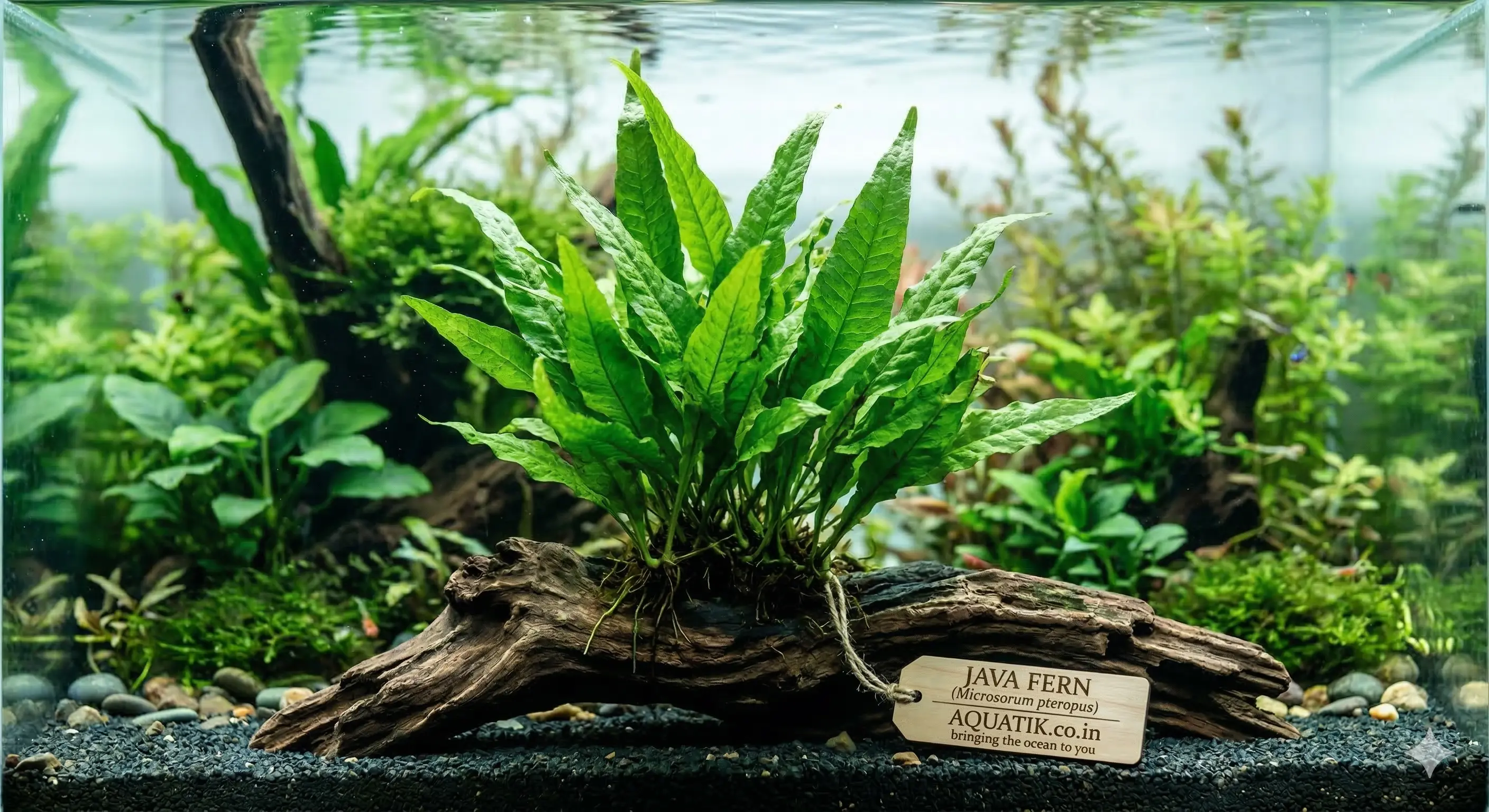
• Plants: Java Fern, Anubias, Amazon Sword — all available at Aquatik. Add floating plants for diffused surface light
• Lighting: moderate and indirect — neon tetras originate from deeply shaded forest streams
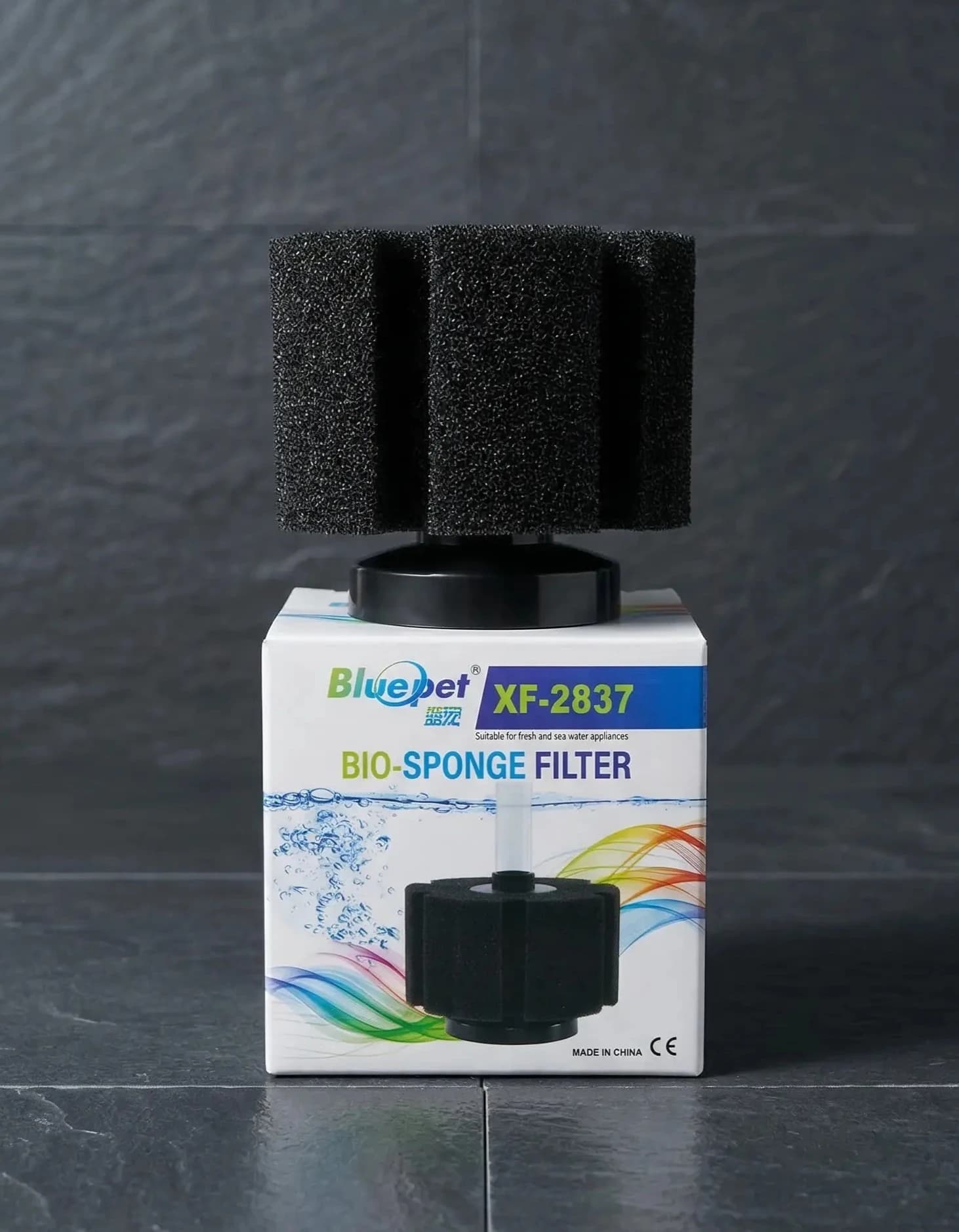
• Filter: gentle flow — they dislike strong currents. A Blue Pet Sponge Filter is ideal
• Driftwood: releases tannins that mimic their natural blackwater habitat and slightly lowers pH naturally
03
Water Parameters for Neon Tetras in India
Neon tetras are more adaptable than their reputation suggests, but they prefer soft, slightly acidic water:
• Temperature: 24–28°C (use a heater to maintain stability)
• pH: 6.0–7.0 (Indian tap water is usually in range after conditioning)
• Hardness: 2–10 dGH (soft to moderately hard)
• Ammonia/Nitrite: 0 ppm at all times
• Nitrate: below 20 ppm (weekly water changes maintain this easily)
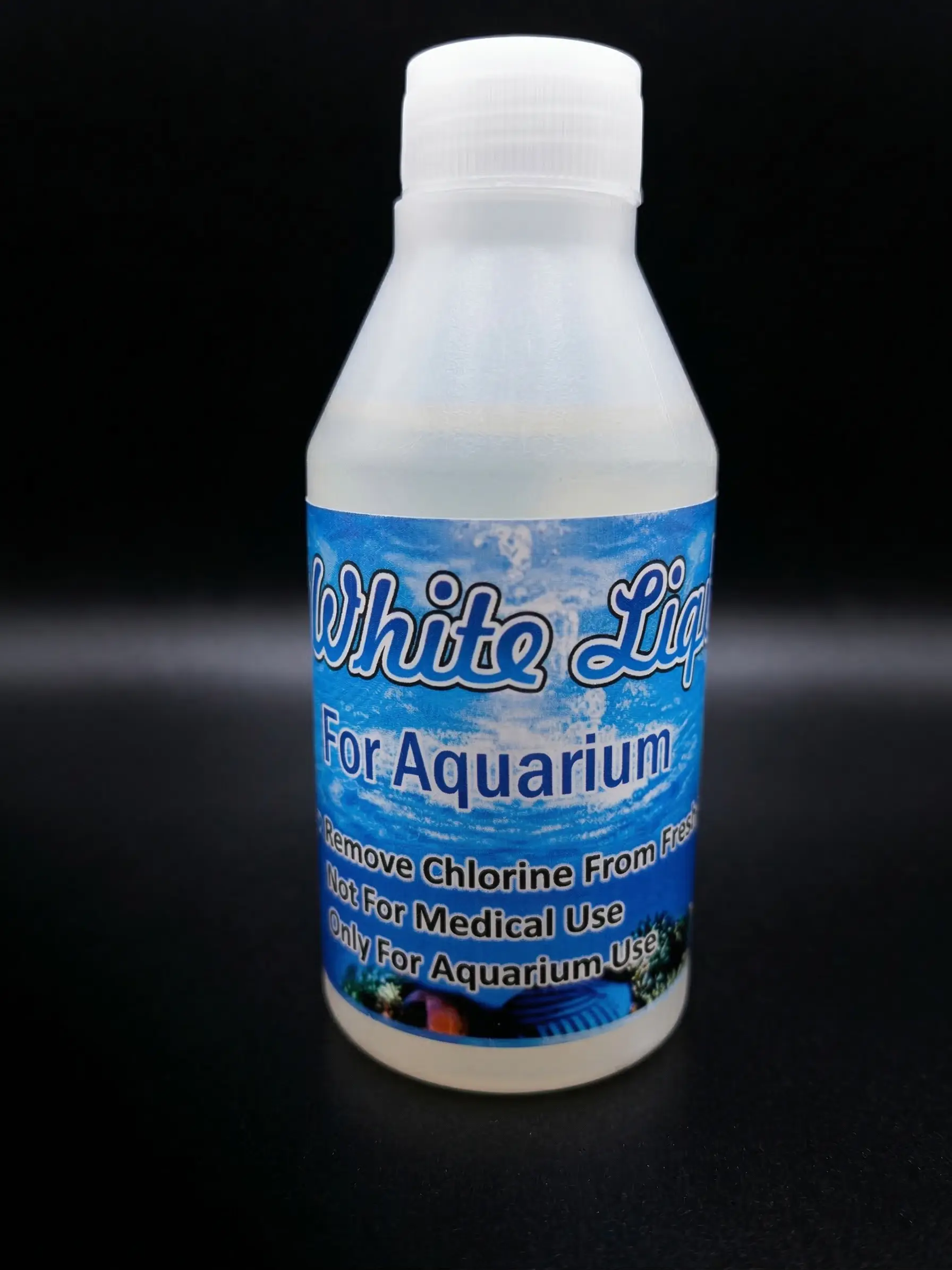
Always use a water conditioner like Anti Chlorine (₹15) before adding tap water to the tank. Indian municipal water contains chlorine that is harmful to fish and beneficial bacteria.
04
Feeding Neon Tetras — What and How Much
Neon tetras are omnivores that accept most foods. A varied diet keeps them healthy, colourful, and disease-resistant.
Daily feeding schedule:
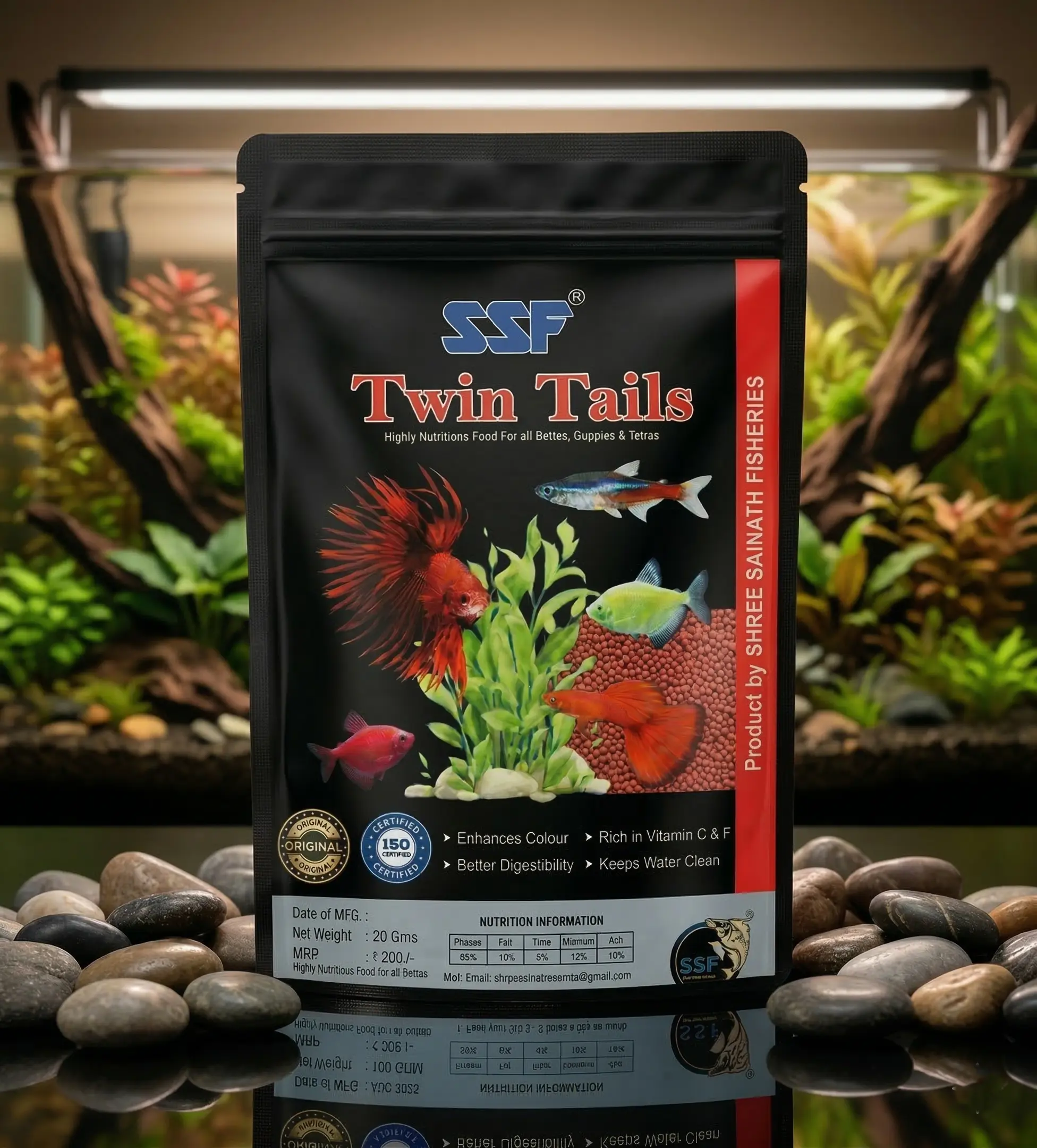
• Morning: SSF Twin Tails Tetra Food — micro-sized pellets formulated for small-mouthed tetras
• Evening: Freeze-dried or frozen daphnia or brine shrimp
Weekly treats:
• G1 Dry Bloodworm (₹80) — once or twice weekly. Bloodworms significantly enhance red colouration
• Blanched spinach or zucchini (very small pieces)
Feed only what they consume in 2 minutes. Neon tetras have small stomachs — overfeeding leads to bloating and water quality problems. Fasting one day per week is beneficial for their digestion.
05
Best and Worst Tank Mates for Neon Tetras
Neon tetras are peaceful community fish that get along with most similarly-sized, non-aggressive species.
Excellent tank mates:
• Corydoras catfish — peaceful bottom-dwellers that complement tetras perfectly
• Guppies — colourful, compatible, same water requirements
• Rasboras (Harlequin, Chili) — similar temperament and water preferences
• Otocinclus — algae eaters that completely ignore tetras
• Cherry or Amano shrimp — adult shrimp are safe with neon tetras
• Bristlenose Pleco — stays at the bottom, poses no threat
Avoid these tank mates:
• Bettas — some are peaceful but aggressive males will shred tetras
• Angelfish — will eat neon tetras once they reach adult size
• Tiger Barbs — notorious fin nippers
• Any cichlid larger than 5 cm
• Any fish large enough to fit a neon tetra in its mouth
06
Breeding Neon Tetras at Home
Breeding neon tetras is challenging but achievable with the right setup. They're egg scatterers that will eat their own eggs, so a dedicated breeding tank is essential.
Breeding setup:
• 10–20 litre tank with a sponge filter (Blue Pet XF-2837 at ₹120 is ideal — gentle and safe for eggs)
• Very soft, acidic water: pH 5.5–6.0, temperature 24°C
• Dim lighting — cover three sides with dark paper
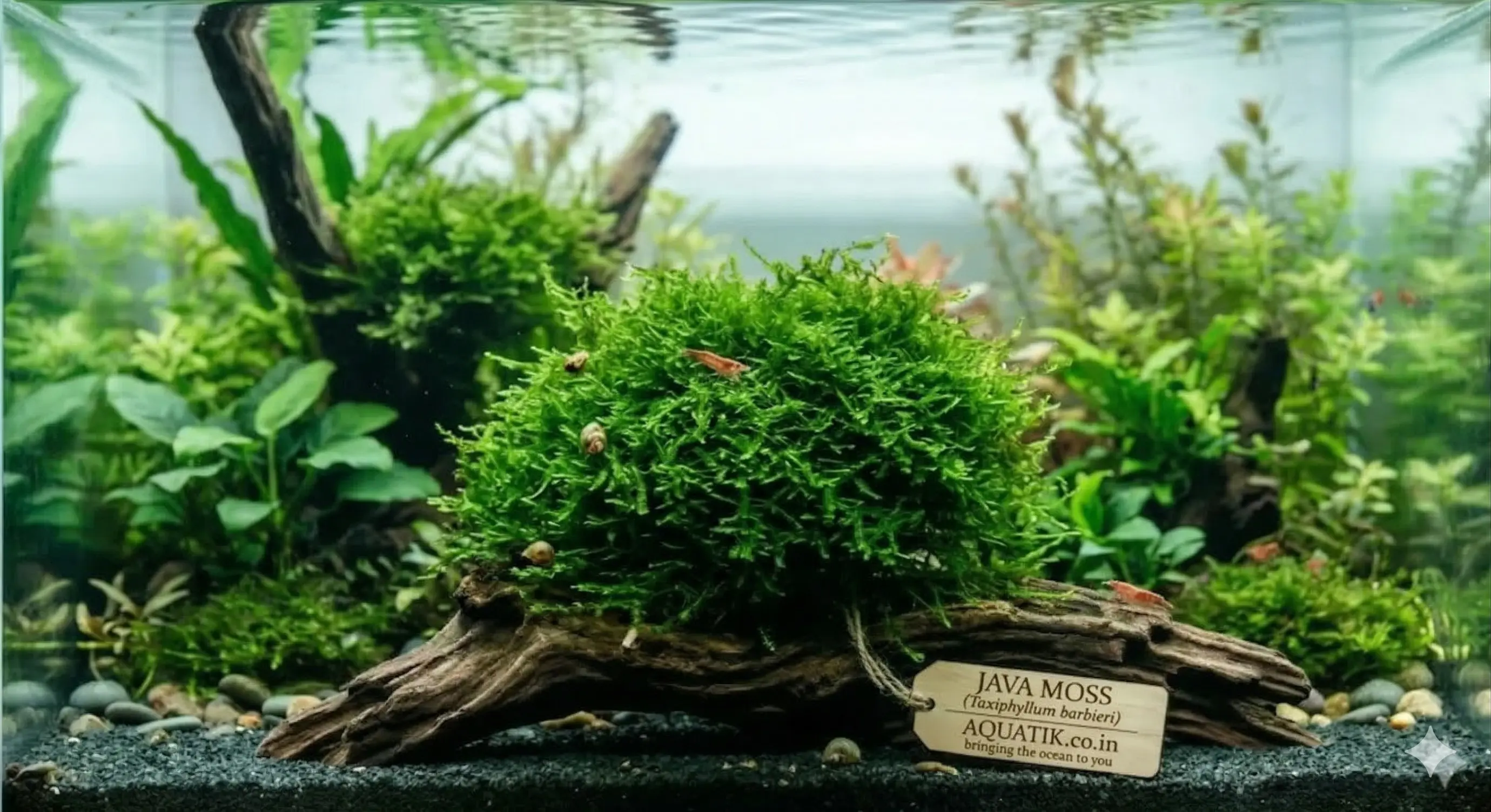
• Java Moss or spawning mop for eggs to fall into and be hidden
Breeding process:
1. Condition a male and female pair with live foods for 1–2 weeks
2. Move them to the breeding tank in the evening
3. Spawning usually happens at dawn the next morning
4. Remove both parents immediately after spawning
5. Eggs hatch in 24 hours; fry become free-swimming in 3–5 days
6. Feed infusoria for the first week, then baby brine shrimp as they grow
Neon tetra fry are extremely sensitive to light for the first 5 days — keep the tank in near darkness.
07
Common Neon Tetra Diseases and How to Treat Them
Neon tetras are generally hardy but watch for these common issues:
• Neon Tetra Disease (NTD) — progressive loss of colour starting in the blue stripe, erratic swimming, curved spine. Unfortunately incurable. Isolate affected fish immediately — it spreads rapidly to other tetras.
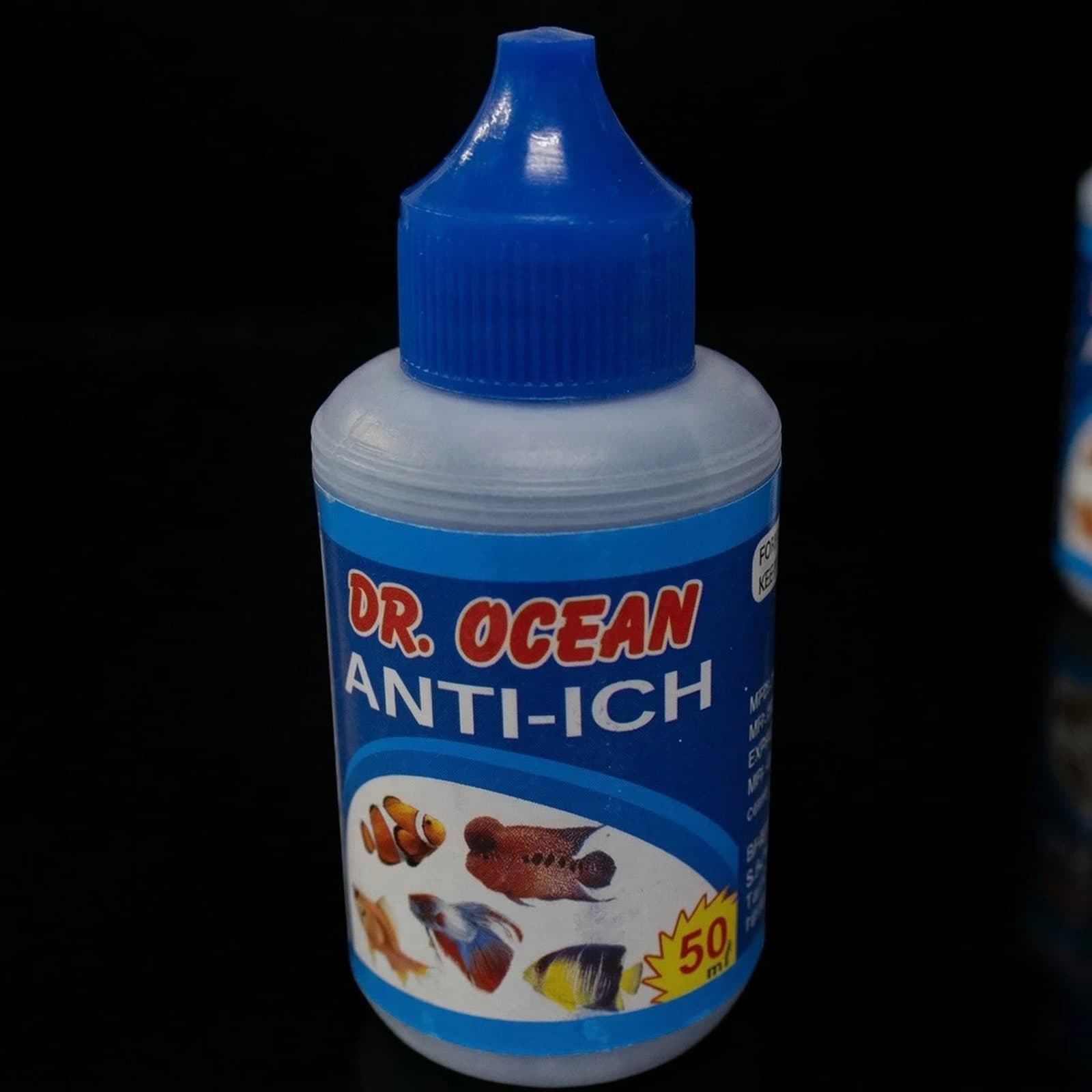
• Ich (White Spot) — tiny white salt-grain spots on body and fins. Treat by raising temperature to 30°C and using Dr Ocean Anti-Ich (₹30) or SSF Anti-Ich (₹70)
• Fin Rot — ragged fin edges caused by bacterial infection from poor water quality. Fix with regular water changes and Antiseptic Yellow Liquid (₹15)
• Bloat — swollen belly. Often from overfeeding. Fast the fish for 2–3 days and use SSF Bloat Free (₹60)
Prevention is always better than treatment: maintain stable water, don't overstock, quarantine all new fish for 2 weeks before adding to the main tank, and keep Anti Chlorine (₹15) on hand for every water change.
For personalised advice on your neon tetra setup, WhatsApp the Aquatik team — we're here to help.
Quick Reference: Care Guide
Temperature, pH, feeding & tank setup essentials.
Found this helpful? Share it with fellow fish keepers.